Back To Basics: Movement
We've covered sleep and nutrition — two pillars that restore and fuel us. This week is movement.
Movement truly is medicine for our body and mind — it's among the most effective interventions we have for preventing chronic disease, extending healthspan, and supporting mental health.
Consistent daily movement and intentional exercise support our longevity, mobility, heart health, muscle mass, and mental wellbeing. It improves our sleep, regulates our hormones, reduces anxiety and depression, and protects our cognitive function as we age.
The goal isn't just looking good — it's building a body that functions well, feels good, and carries us through life with strength and energy.
For long-term health, we need all three pillars of fitness working together: strength, cardio, and flexibility. Each supports the others, and neglecting one will eventually limit the rest.
Below I share the habits and tips that make movement sustainable for life — plus my favorite workouts, studios, and gym equipment.
3 Pillars of Fitness
Strength
Strength training is the foundation of healthy aging. Building and maintaining muscle supports our metabolism, hormone health, bone density, posture, and body composition — and it becomes more important as we age. We begin losing muscle mass naturally in our 30s, and the rate accelerates over time.
This is especially relevant right now with the rise of GLP-1 medications. Many people are losing muscle alongside fat, and muscle — once lost — is very hard to rebuild as we age. Whether you're on a GLP-1 or not, strength training is non-negotiable for long-term health. If you are on one, it should be an even higher priority.
I aim for at least 2 sessions of heavy lifting per week, ideally 3–4, and focus on progressive overload — gradually increasing resistance or reps to the point of fatigue so my muscles continue to be challenged over time.
Recently, travel and other priorities pulled me away from my regular strength training routine — and without changing a single thing about my diet, my weight shifted and my clothes fit differently. Proof that strength training drives my metabolism. It's a non-negotiable for me, and I'm back on my routine now.
Cardio
Cardiovascular fitness and endurance support heart and brain health, mitochondrial function, stamina, and recovery — and VO₂ max is one of the strongest predictors of longevity we have. The best cardio is whatever we'll actually do consistently: HIIT, Zone 2, jogging, walking, swimming, biking, hiking, dance, or sports.
One thing worth specifically building into our routine is Zone 2 training — long, steady-state cardio at a moderate intensity where you can hold a conversation. The benefits for mitochondrial health and fat metabolism are well-documented, and it pairs well with higher-intensity work throughout the week. Most importantly, our cardio should elevate our heart rate, be done consistently, and be sustainable long-term.
Flexibility
The most overlooked pillar — and typically the first to get dropped when time is tight. Mobility, flexibility, and balance all fall here — and each one matters. Mobility is your active range of motion, flexibility is how far your muscles can stretch, and balance becomes increasingly important as we age for injury prevention and functional movement. Together they support joint health, posture, pain reduction, and your ability to keep doing everything else well over the long term.
I warm up every workout with at least 10 minutes of moderate cardio — for me that's typically a jog outside while getting my morning sunlight — followed by dynamic stretching and mobility work before I begin. I always end with a cool down and static stretching too. Even just 10 minutes of intentional work in this category every day adds up meaningfully over time. If you sit for long stretches during the day, be especially mindful of your hip flexors, thoracic spine, and shoulder mobility.
Movement Tips
1. Be Consistent + Move Your Body Every Day
Commit to a realistic schedule and protect that time. Move your body every day. We don't have to go to the gym, a workout class, or a personal trainer — we can work out at home, in a hotel room, or at the park. With the variety of apps and online videos available today, there are so many high-quality guided workouts accessible to everyone.
And beyond our formal structured workouts, it’s important to continue adding in movement throughout the day: walking, taking the stairs, breaking up long stretches of sitting. Daily movement and our scheduled workouts are not the same thing — both matter. Small movements throughout the day have real, measurable metabolic benefits that a single workout can't fully offset.
2. Do What You Love
Not every workout needs to be optimized. Joyful movement is what makes fitness sustainable across a lifetime — not discipline alone. Walk or jog without tracking it. Swim without counting laps. Play tennis with friends. Run around with your kids in the backyard. The best workouts are the ones we actually look forward to.
3. Recover Consistently — and Don't Overtrain
Results happen in recovery, not during the workout itself. Persistent fatigue, declining performance, and recurring injury are all signs we need to pull back — not push harder. I alternate high and low intensity days, build in rest days, and cycle my training over time. Think of how athletes train: there are seasons, peak periods, and recovery built into the structure. Next week, I'll go deeper into recovery, nervous system regulation, and the tools that support restoration.
4. Fuel Your Movement
Movement and nutrition work together. A moderate serving of carbs — like fruit — before high-intensity training fuels your body. Prioritize protein within 30–45 minutes after your workout to support muscle repair. Stay hydrated throughout — before, during, and after. For a deeper dive, head back to last week's edit, Back to Basics: Nutrition.
5. Teach Your Kids To Love Movement
One of the greatest gifts we can give our children is a love of movement — before screens and sedentary habits crowd it out. It doesn't have to be organized sports. Unstructured outdoor play, family walks, bike rides, swimming, dancing in the kitchen, working out together — it all counts. What matters most is that movement feels fun and natural.
Kids are like sponges — when they see us model and prioritize movement, they absorb it as normal.
Some Of My Favorite Fitness Products + Workouts
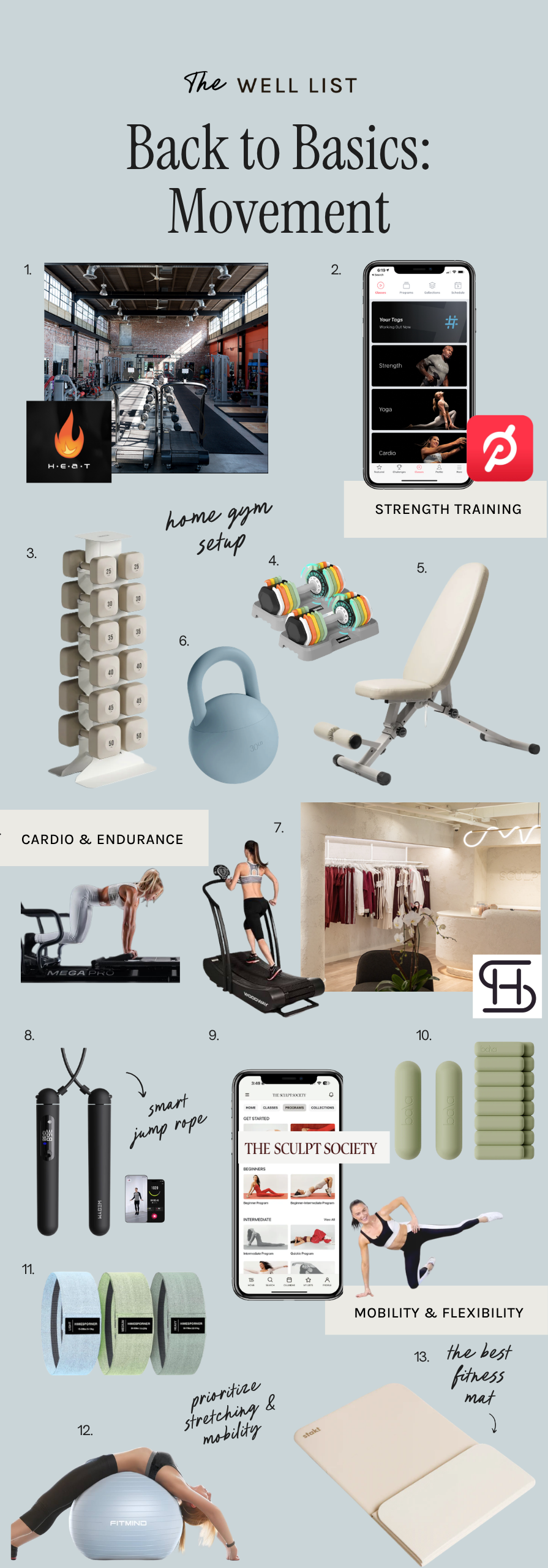
1. H.E.A.T. Atlanta Fitness
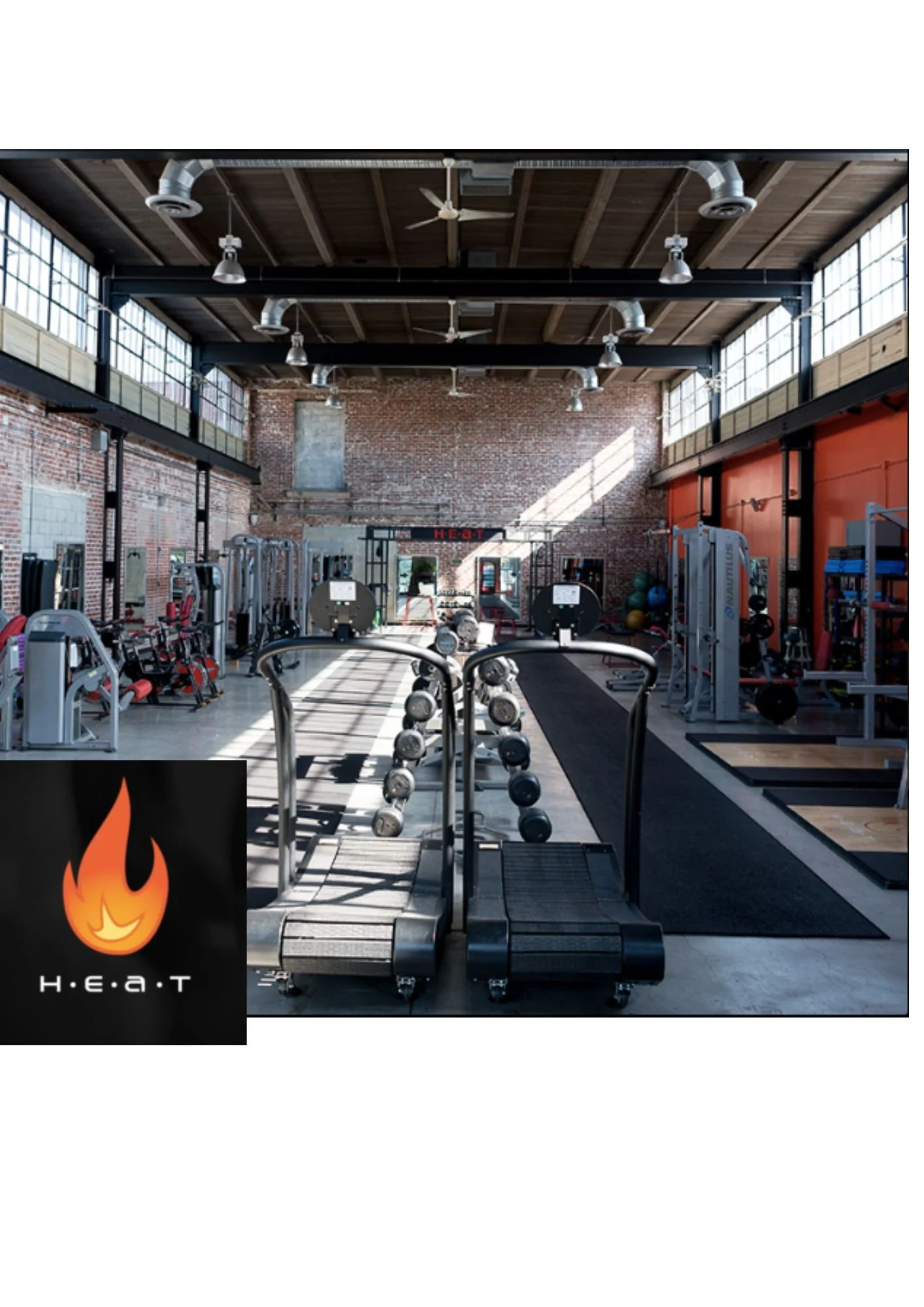
My go-to for personal training in Atlanta. I work out with owner Soje White, and his sessions combine strength training, high and low intensity cardio, plyometrics, and mobility and flexibility work. No two workouts are ever the same, and each one is personalized for my goals and body. The biggest transformation in my body and endurance over the past few years has come from my training with Soje.
After having my babies I had severe diastasis recti, and he helped me navigate working out safely through my recovery — and then again after I opted for abdominoplasty (I'll go deeper into this in a future edit). Working with an experienced trainer and kinesiology expert like Soje who is genuinely invested in my specific situation has been one of the best investments I've made for my health.
I understand personal training isn't accessible for everyone — the apps and resources listed below are a great place to start, and there are plenty of less expensive options out there.
To book a session: call : 404-355-2733 or email: heatatlanta@gmail.com and mention my name.
2. Peloton App
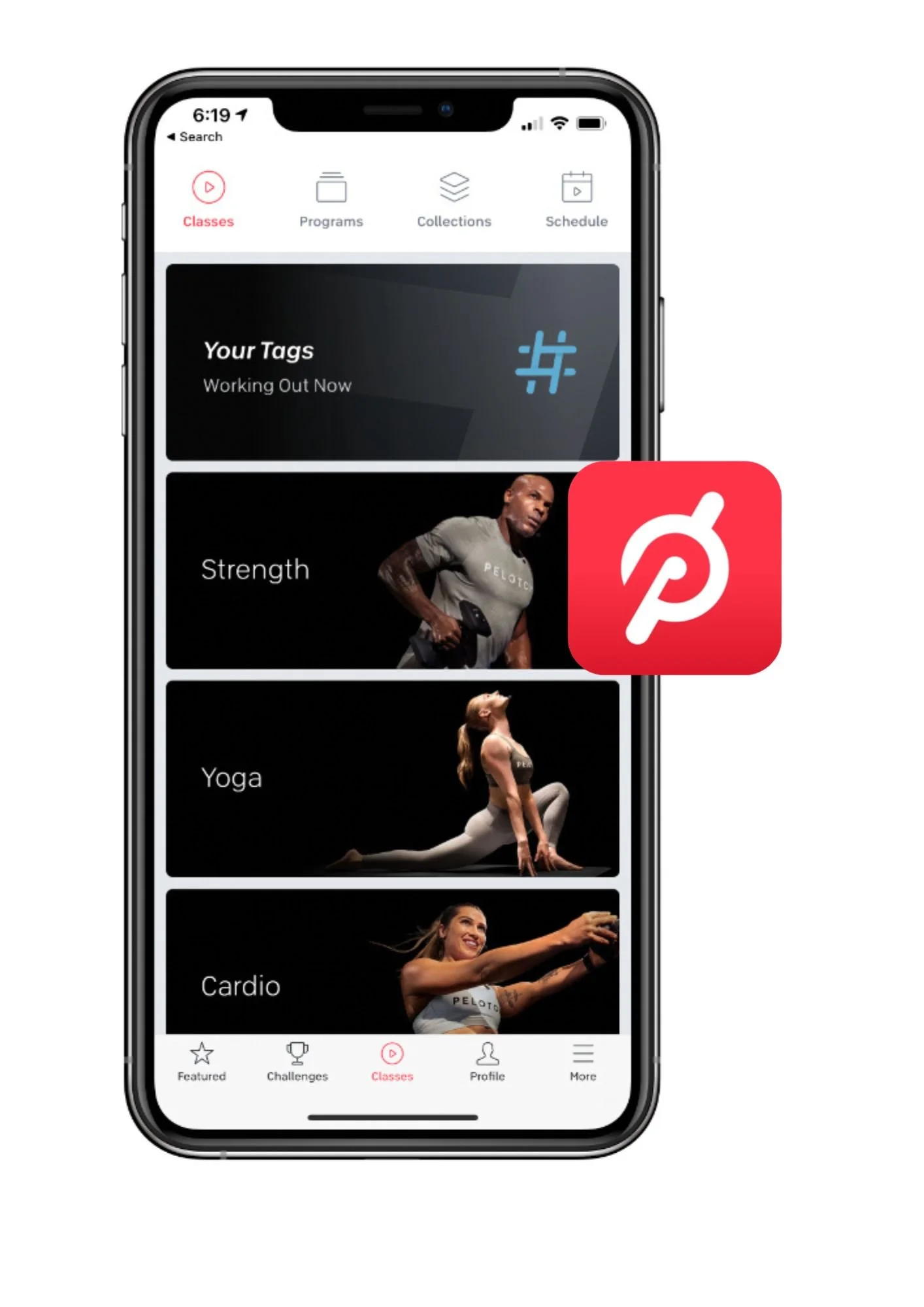
The widest variety of classes: strength, yoga, HIIT, outdoor running, cycling, rowing, treadmill, and more for $28.99/month. Peloton One is even more accessible at only $12.99/month and if you are a low as $6.99/mo.. I have a spin bike from my old studio at home that I ride using the app, and I also love using the Peloton bike at my club.
3. WeGym Dumbbell Set With Rack
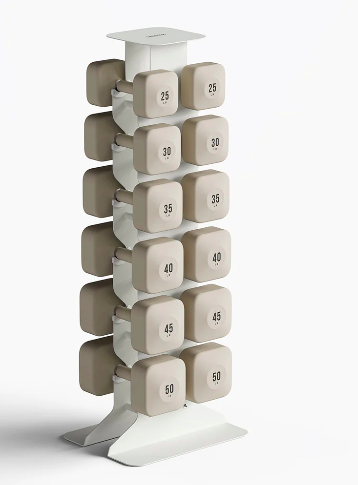
A good-looking set of dumbbells for your home gym. Customize your own or choose between a lighter set (2–20 lbs) and/or a heavier set (25–50 lbs). I love the color and no-slip grip. Having a rack at home like this eliminates the barrier of getting to a gym — when equipment is accessible, you actually use it. If aesthetics aren't a priority, Costco has inexpensive options.
4. 25/55 lbs Adjustable Dumbbells Set
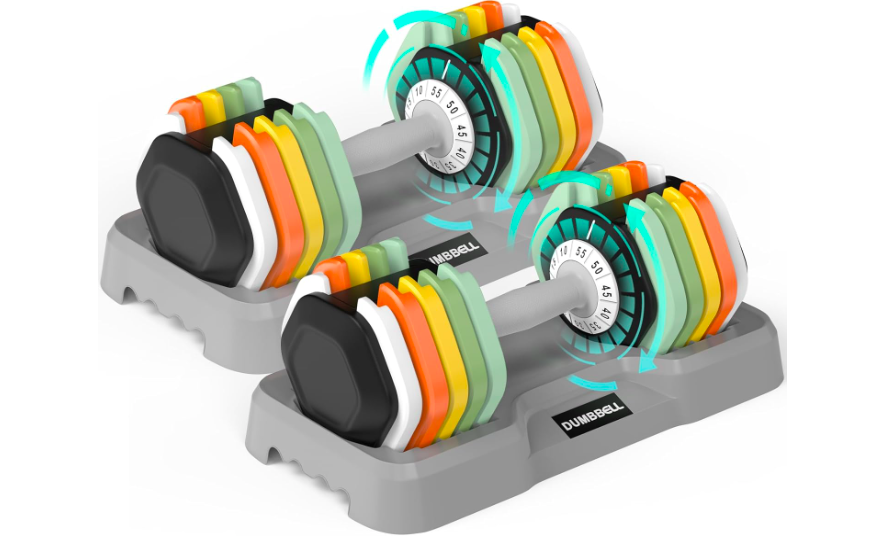
Adjustable dumbbells are a great space-saving alternative to a full rack. The fast-adjust handle on these lets you switch weights quickly between sets which makes home workouts more efficient. A solid range of weight options in a compact footprint.
5. WeGym Adjustable Fitness Bench
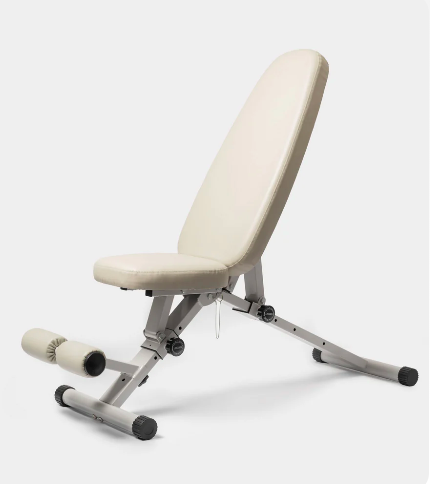
A chic, sturdy bench that opens up a much wider range of exercises: incline presses, step-ups, tricep dips, and more. Worth having if you're building out a home setup.
6. Bala Kettlebell
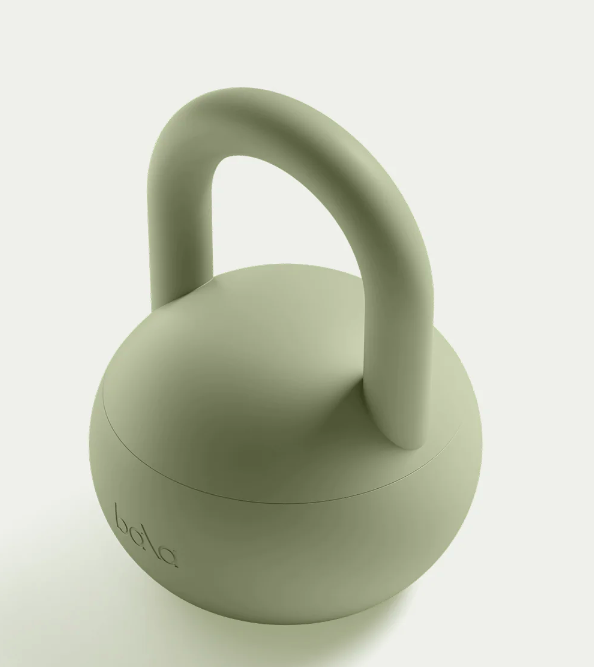
A staple in my workouts. I use it for swings, squats, lunges, and more. Available in 10, 20, and 30 lbs — I most often use the 30 lb.
7. SculptHouse in Atlanta and Dallas
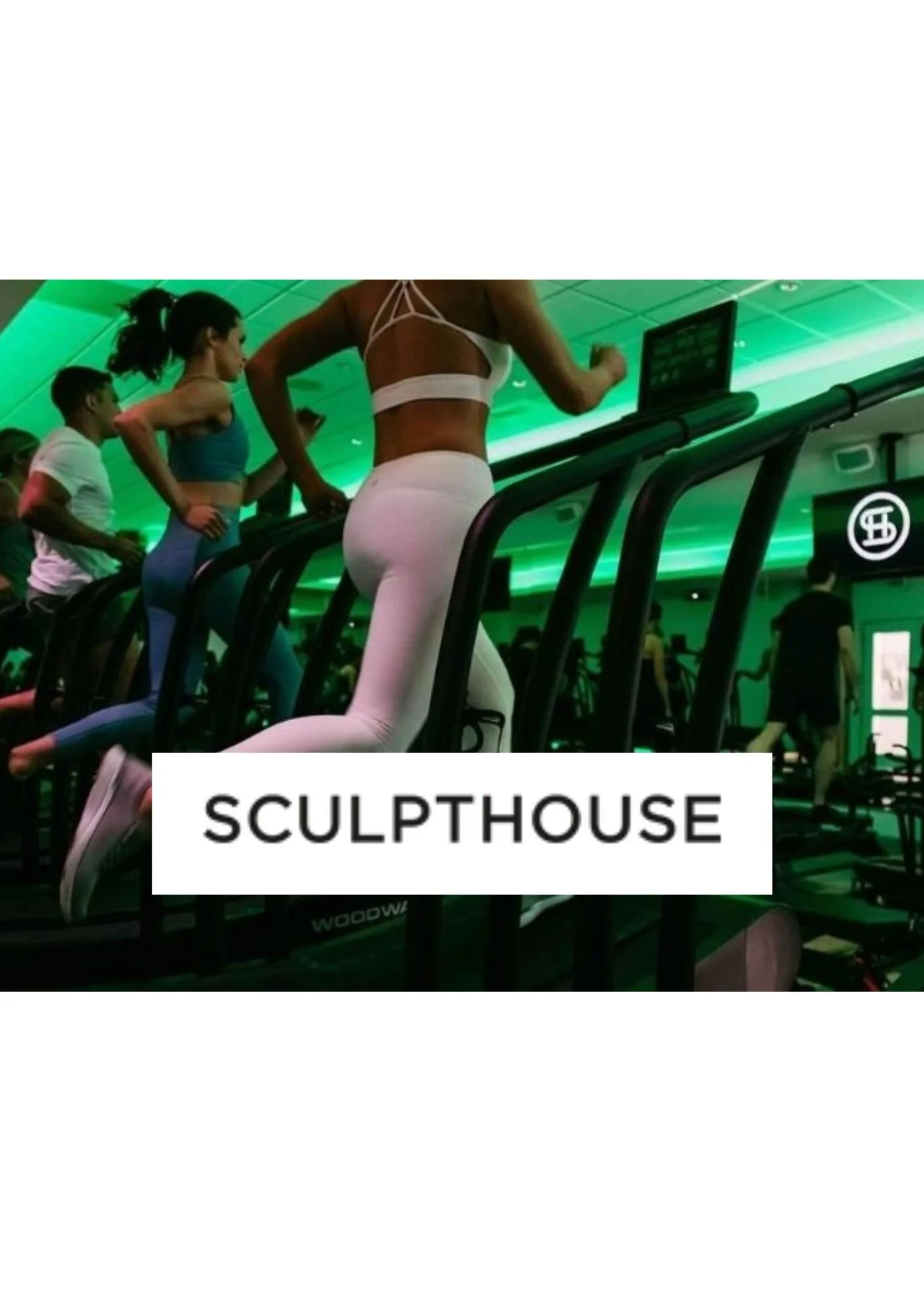
One of my favorite group fitness studios in Atlanta. I took a long hiatus from Lagree post-babies while dealing with my diastasis and recovering from surgery — and I can finally do it again. I love the owner Katherine Mason and the unique combination of the Woodway Curve Treadmill (my favorite cardio machine) and the Megaformer in their CardioSculpt classes — high-intensity, low-impact, joint-friendly cardio and Lagree strength training in one session.
The Megaformer uses spring resistance for slow, controlled movements that deeply activate and sculpt muscles. The cardio portion is completely customizable — Level 1 through 4. I love running, so my Level 1 is a light jog, Level 2 is a jog where I can still hold a conversation, Level 3 is a run, and Level 4 is an all-out sprint. You can also walk if running isn't your thing.
Last year they did a major renovation — the new studio is absolutely stunning with upgraded top-of-the-line equipment and lighting. I love that the classes are now darker with no windows and moody lighting that takes the pressure off and keeps you focused entirely on yourself.
SculptHouse boutique also has the best athleisure in Buckhead — and I do some serious damage there.
Use code JESSBEWELL for a discounted $25 class.
8. WeGym Smart Jump Rope
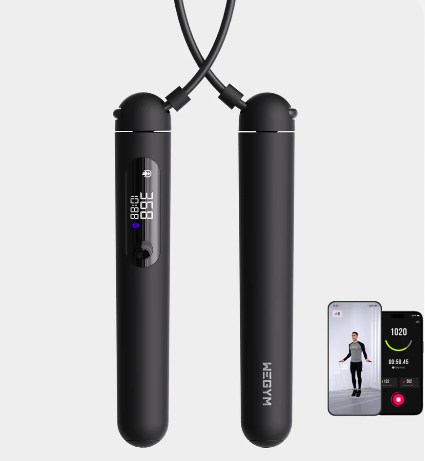
Jump rope is one of the most underrated forms of cardio — it elevates your heart rate quickly and improves coordination. It takes up no room and is easy to travel with.
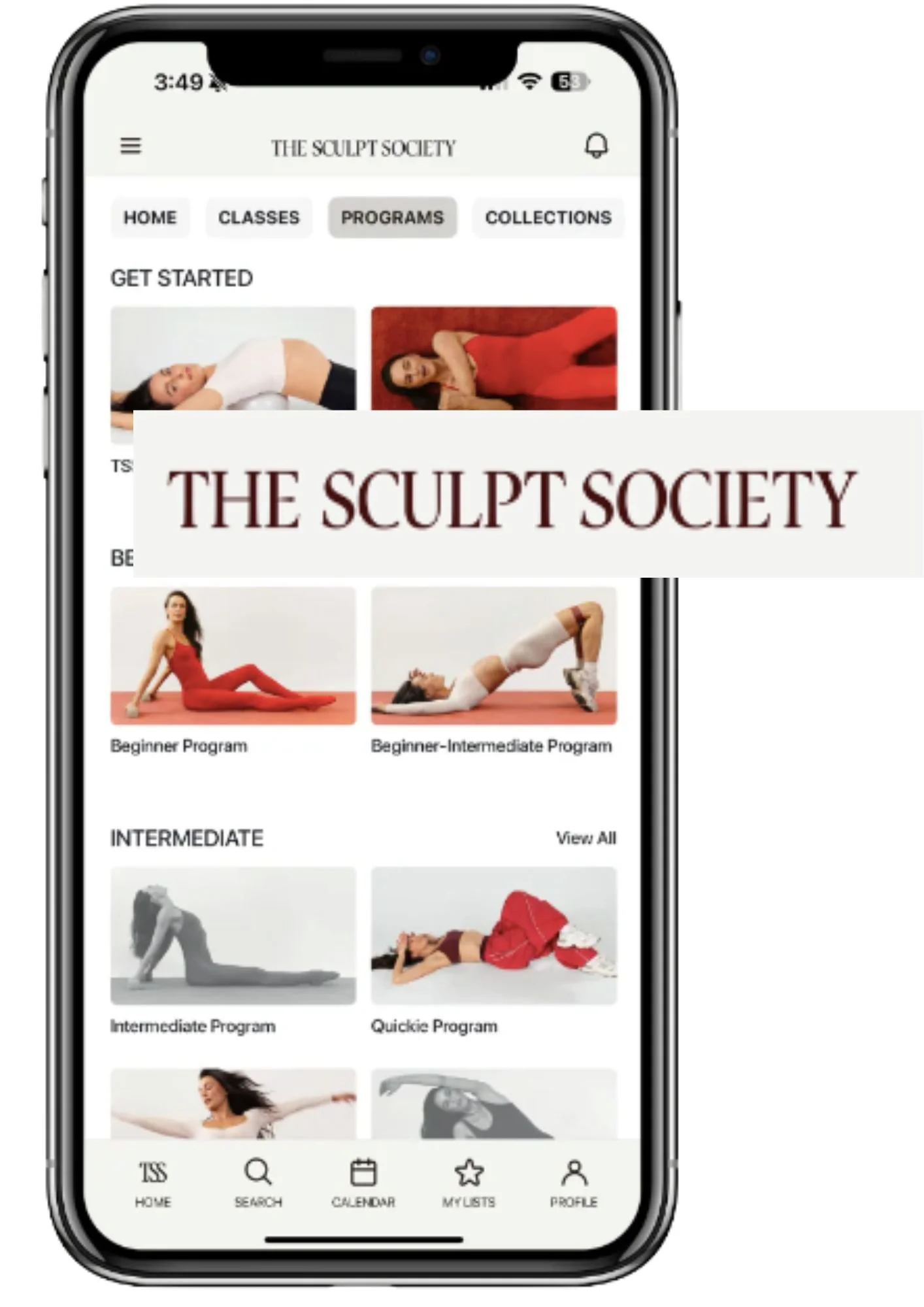
9. Sculpt Society App
An at-home workout app I genuinely love. The combination of dance cardio and barre makes it fun and takes my mind off the burn. I got really into it during COVID while pregnant and working out solely at home. It's effective and actually enjoyable at the same time.
Annual memberships are 45% off right now during their Summer Sale!
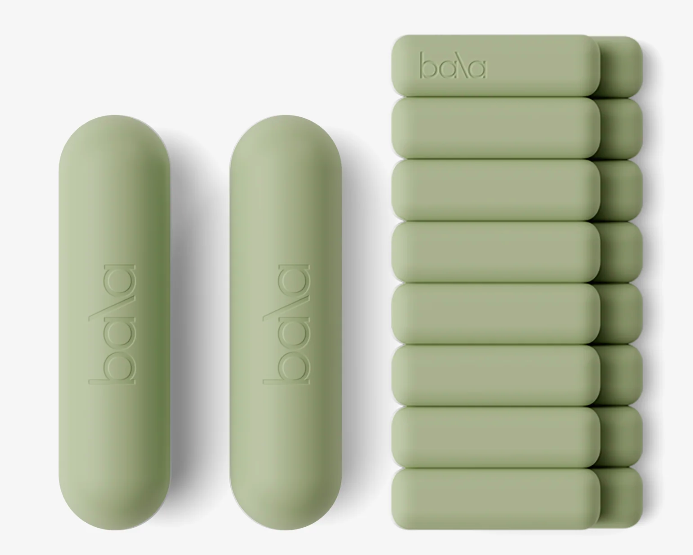
10. Bala 3lb Bars + Bangles
A chic 3 lb set of weights and ankle/wrist bangles for at-home Pilates and barre. They add just enough resistance to make bodyweight work more effective and are easy to travel with. I sometimes bring them into the sauna to multitask.
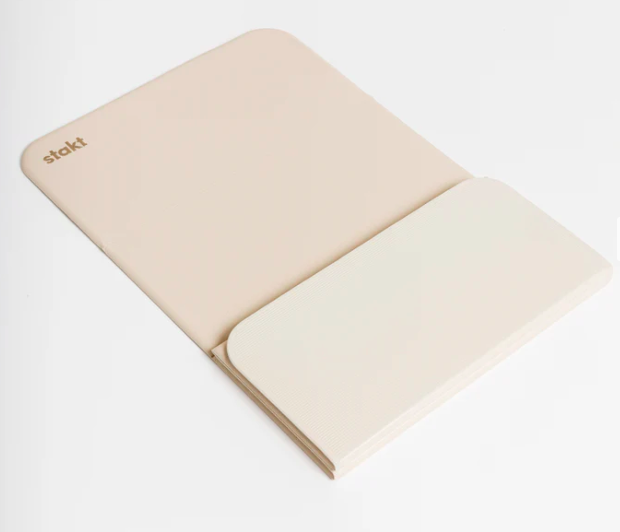
11. Stakt Mat Pro in Dune
The best yoga and Pilates mat. The foldable design makes it easy to store and travel with. I love the color and how versatile it is for strength work, stretching, and recovery.
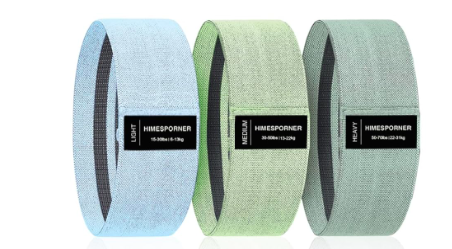
12. Resistance Bands Set
A good value set of resistance bands on Amazon. Resistance bands are essential for my workouts and mobility exercises. They’re versatile enough to add resistance to almost any movement and they’re easy to travel with.
13. Stability Ball
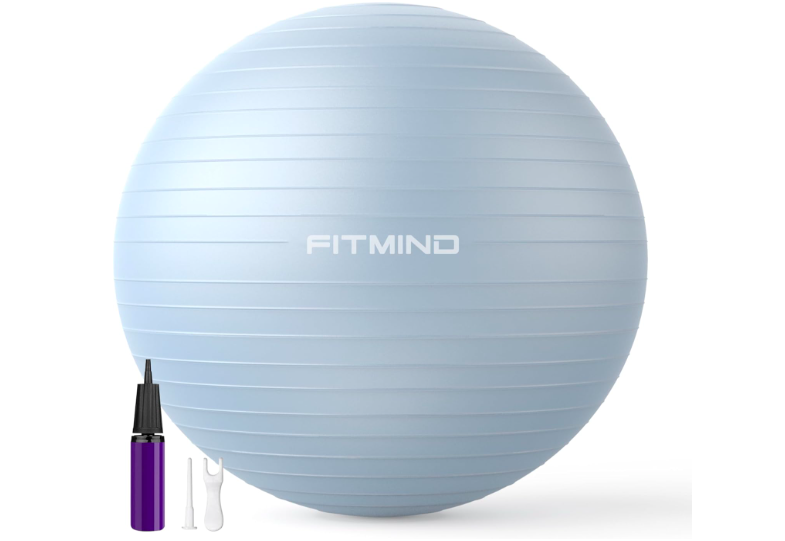
A stability ball is one of the most underrated pieces of home gym equipment. Use it for core work, stretching and balance training. You can also use it as a desk chair alternative to engage your core throughout the day.
For more, visit my Shop My store.