Back To Basics: Nutrition
Continuing this series on the foundational pillars of health, nutrition — what we eat and drink — influences everything from energy, digestion, and hormones to recovery, mood, and long-term wellbeing.
My approach to nutrition has evolved over the years through personal experience, my education, my time at the Institute for Integrative Nutrition, and learning to listen to my body through different phases of life. I don’t believe in a one-size-fits-all approach to eating, but I do believe in foundational habits that help most people feel their best.
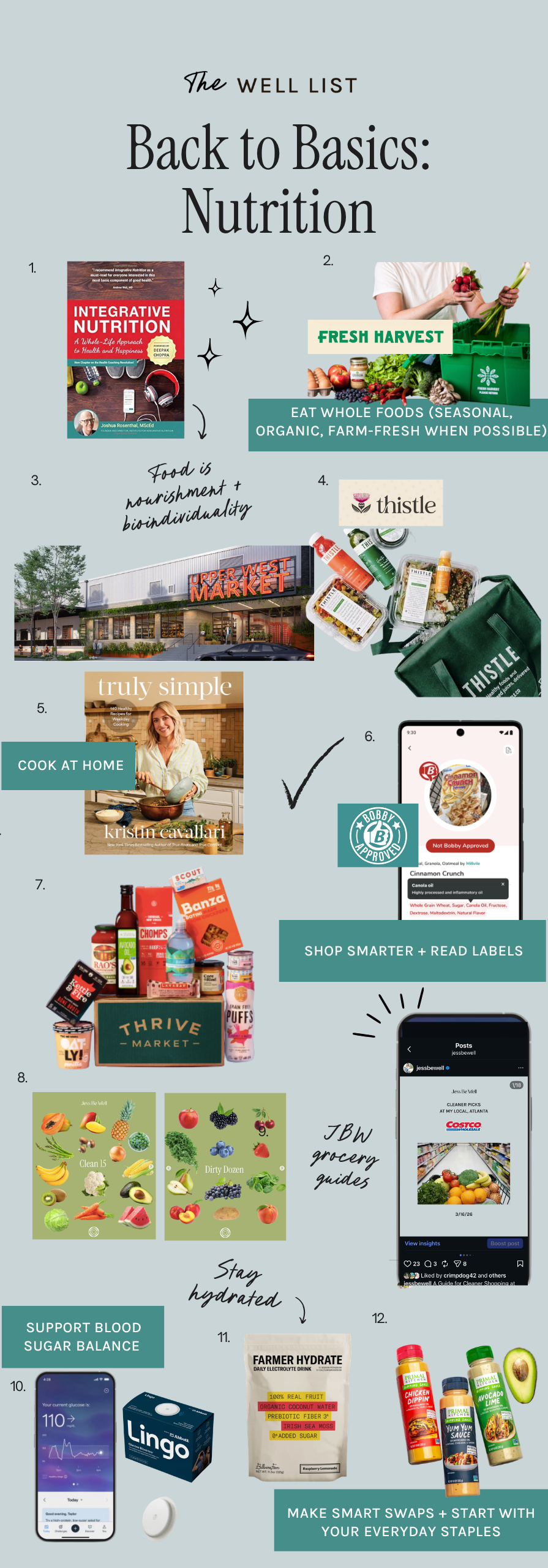
This week’s edit explores simple, sustainable nutrition and hydration principles, practices, and tools that support overall health and wellbeing.
Principles
Food Is Nourishment
One of the biggest shifts in my wellness journey has been learning to see food as nourishment. What we eat either supports us or works against us over time, and that mindset really changed my relationship with food.
I try to follow an 80/20 approach—mostly whole, nourishing foods with flexibility built in. I wish I were more flexible sometimes, but I’ve become really tuned in to how food makes me feel mentally and physically. I naturally gravitate toward simple, healthy meals and genuinely crave fresh vegetables, herbs, avocados, and dark chocolate more than pizza or traditional desserts.
I’ve also found I feel better avoiding dairy, red meat, and gluten based on past bloodwork and how my body responds, so I usually avoid them when I can. That said, I don’t feel restricted or deprived, and I’m open to reintroducing them in the future. I also don’t count calories or macros.
I used to feel self-conscious about being a “high-maintenance” eater, but I don’t worry about that anymore—I just focus on food that makes me feel good and brings me joy.
Bioindividuality
One of the most important concepts I learned through IIN is bioindividuality — the idea that there is no one-size-fits-all way of eating, moving, sleeping, or living. What works for one person may not work for another, and what supports someone else may not feel good in your body.
Nutrition is deeply personal. My own approach has evolved through functional testing, bloodwork, and, most importantly, learning to pay attention to how foods make me feel. Take what resonates with you and leave what doesn’t.
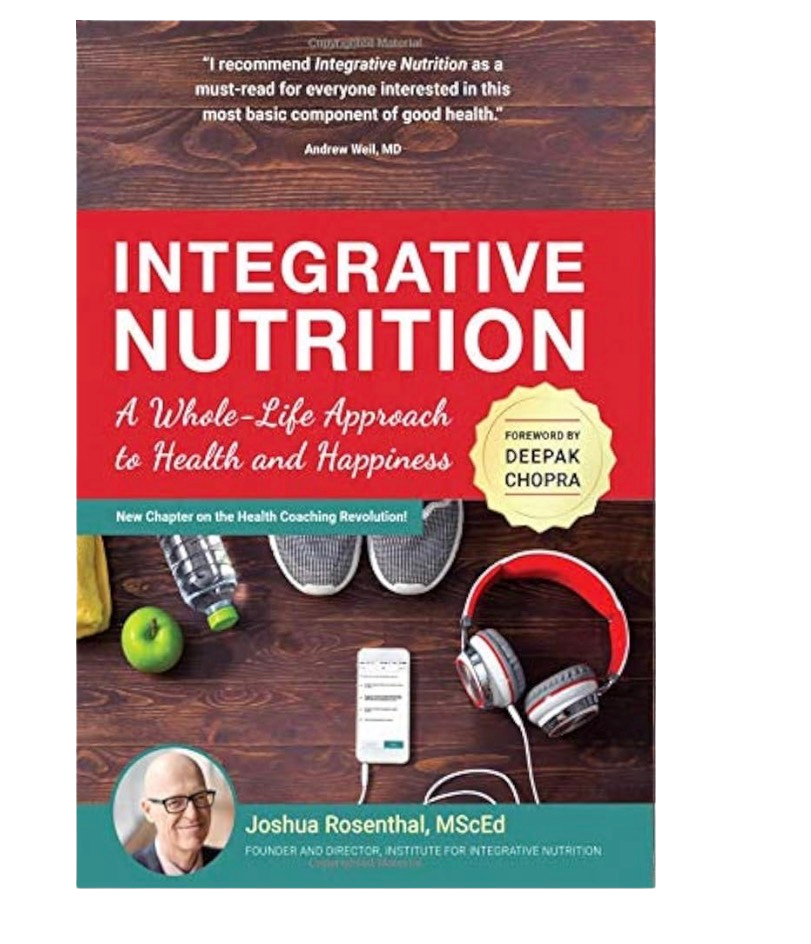
1. Integrative Nutrition: Feed Your Hunger for Health and Happiness by Joshua Rosenthal
The foundational book behind the Institute for Integrative Nutrition’s curriculum, where I worked in NYC and became an IIN Certified Holistic Health Coach. During my training at IIN, I studied more than 100 dietary theories and wellness modalities from a wide range of experts and traditions. That experience reinforced the belief that nutrition is deeply individual and that there is no single way of eating that works for everyone.
It made me think about nutrition more holistically and introduced me to the concept of “Primary Food” — the understanding that relationships, purpose, movement, and joy nourish us just as much as what’s on our plates. True nourishment extends far beyond food.
Practices
Eat mostly whole foods (seasonal and organic when possible) + cook at home
One of the simplest ways to support your health is eating more meals at home using whole, recognizable ingredients. Restaurants often use refined oils, excess sodium, sugar, and ingredients you wouldn’t choose yourself.
Cooking doesn’t have to be complicated. Some of the most nourishing meals are the simplest. Keeping fresh ingredients stocked and doing light weekly meal prep makes it easier to stay consistent with a whole-foods-based diet.
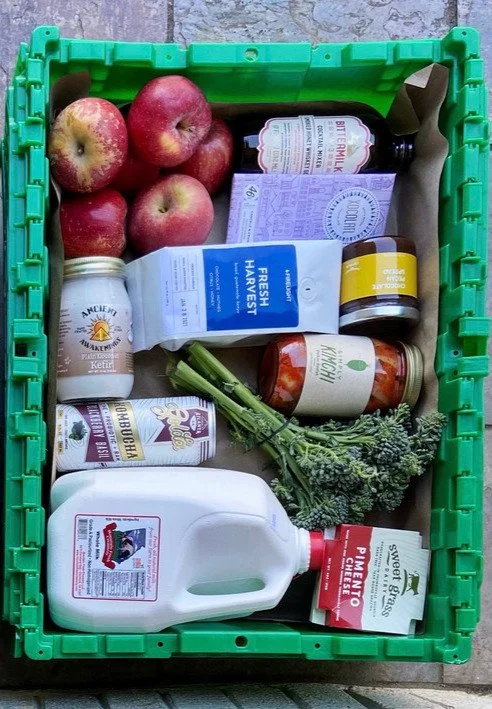
A local Atlanta-based farm and grocery delivery service offering seasonal, sustainably grown produce and local products delivered to your door. If you're in the Atlanta area, try this out and use my link to save on your first order.
I’m so excited for this new indoor farmer's market opening very soon in Atlanta.
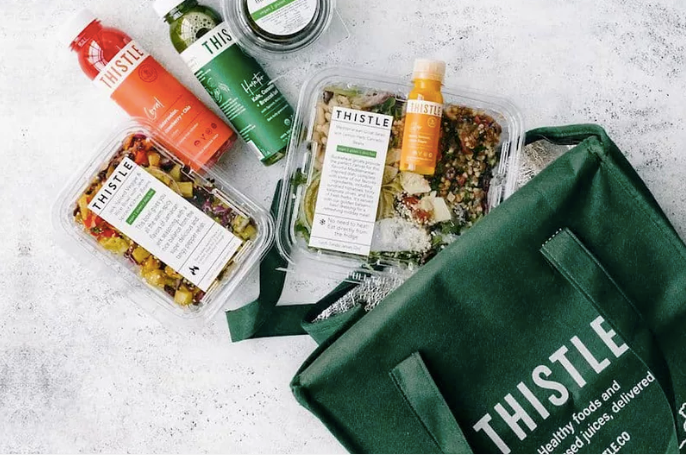
4. Thistle Co
A healthy alternative to cooking at home, this prepared meal delivery service focuses on fresh, nutrient-dense, whole-food meals that are ready to eat with no prep required. While I prefer home-cooked meals most of the time, during busy weeks — or when I simply don’t feel like cooking — I love having a healthy, convenient option like this.
5. Truly Simple by Kristin Cavalleri Cookbook
One of my favorite go-to cook books for quick, healthy, meals my whole family loves.
Shop smarter + read labels.
Our diets should be built mostly around whole foods as close to their natural state as possible. One of the best habits you can develop is learning to read ingredient labels and becoming more aware of additives, oils, sugars, and ultra-processed foods.
I focus most meals around fiber-rich vegetables, high-quality protein, healthy fats, and slower-digesting carbohydrates that support energy and blood sugar balance.
An easy-to-use app that saves time grocery shopping by scanning ingredient labels and barcodes to evaluate products based on ingredient quality and level of processing. It helps make more informed decisions and better understand what’s actually in the foods we buy.
Food companies often hide lower-quality ingredients behind vague terms or use cheap substitutes to cut costs, which is why learning how to read ingredient labels is so important. This is a simple tool for making quicker, more confident grocery choices without overthinking every label.
Yuka is another great app for scanning food and cosmetic products. However, I personally prefer Bobby Approved for food because of its stricter standards and stronger focus on whole-food, minimally processed ingredients.
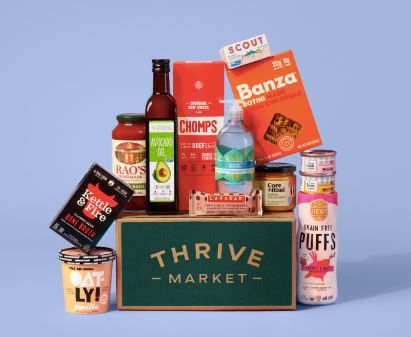
A great resource for stocking a clean pantry without paying full retail prices. Thrive Market is a membership-based online store with organic, better-for-you pantry staples—from olive oil and nut butters to snacks and household products. It quickly pays for itself if you regularly buy organic. I use it alongside local grocery runs, Fresh Harvest delivery and Costco to keep my kitchen stocked.
Use this guide to help you save buying healthy choices in bulk at your local Costco.
9. JBW Dirty Dozen & Clean Fifteen Guides
A guide to prioritize buying organic produce where it matters most. Based on the Environmental Working Group's 2026 list of the produce with the highest and lowest pesticide residues.
I also post a seasonal produce guides, like this May Produce Guide on my IG account each month to support your grocery runs.
Support blood sugar balance.
Blood sugar balance plays a bigger role in how we feel than most people realize. Frequent spikes and crashes can contribute to cravings, energy dips, brain fog, poor sleep, and imbalances over time.
One of the most impactful habits I’ve implemented is building meals around adequate protein, fiber, and healthy fats to support blood sugar stability, steady energy, and satiety throughout the day. Everyone’s needs are different, but this is a simple plate structure I use most days for lunch and dinner:
~50% non-starchy vegetables and leafy greens (salads, sautéed greens, broccoli)
~20–30% high-quality protein (organic turkey, chicken, fish, eggs, tofu)
~10–20% complex carbohydrates (sweet potatoes, squash, bone broth rice)
~10–15% healthy fats (avocado, extra virgin olive oil, nuts, seeds, olives, sardines)
This approach helps me feel more steady, satisfied, and energized throughout the day.
10. Lingo
A wearable glucose monitor, biosensor, and app designed to help track and better understand metabolic health and how foods uniquely impact the body and blood sugar levels. My husband and I use these periodically to gain more insight into our individual responses to food, meals, stress, sleep, and exercise. There are lots of different options available — this is the only one we’ve used so far, and it’s a simple, user-friendly place to start.
Receive 50% off a 4-week plan or subscription with this link.
Stay hydrated.
Drink plenty of water throughout the day. I typically drink close to a gallon of fluids per day. I also incorporate mineral-rich options like green juices, green-based smoothies, and bone broth, which can support hydration while also providing additional nutrients.
Most days, I also add a serving of electrolytes, especially on days I’m traveling, working out, or using the sauna. Adding electrolytes to water is a simple way to support hydration and replenish minerals lost through sweat and daily activity.
It’s especially important to hydrate first thing in the morning, ideally before caffeine. I often start my day with lemon water, or a green juice or smoothie before moving on to coffee or matcha.
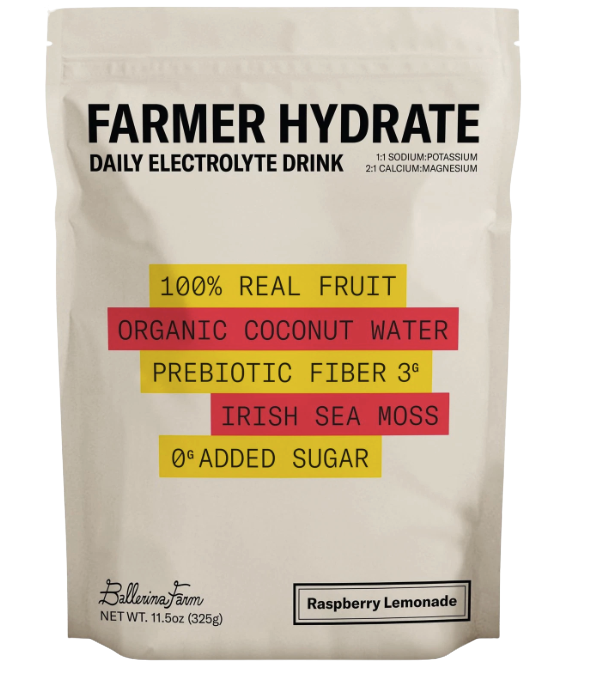
11. Ballerina Farm Farmer Hydrate
I’m always trying out new electrolytes, and this is one I’m currently loving. It’s formulated with high-quality salt, real fruit, coconut water, and Irish sea moss. It has a light flavor with no artificial taste.
Make smarter swaps + upgrade your everyday staples.
You don’t need to overhaul your diet overnight — it’s not about restriction, but about making small, sustainable upgrades over time and choosing better versions made with real ingredients. Start with the products you use most often: dressings, condiments, cooking oils, sauces, snacks, and beverages. Small swaps add up over time.
Many ultra-processed foods contain refined seed oils, artificial ingredients, food dyes, high-fructose corn syrup, and excess added sugars, which can contribute to inflammation and poor metabolic health over time. Choosing simpler, whole-food ingredient lists whenever possible can make a meaningful difference.
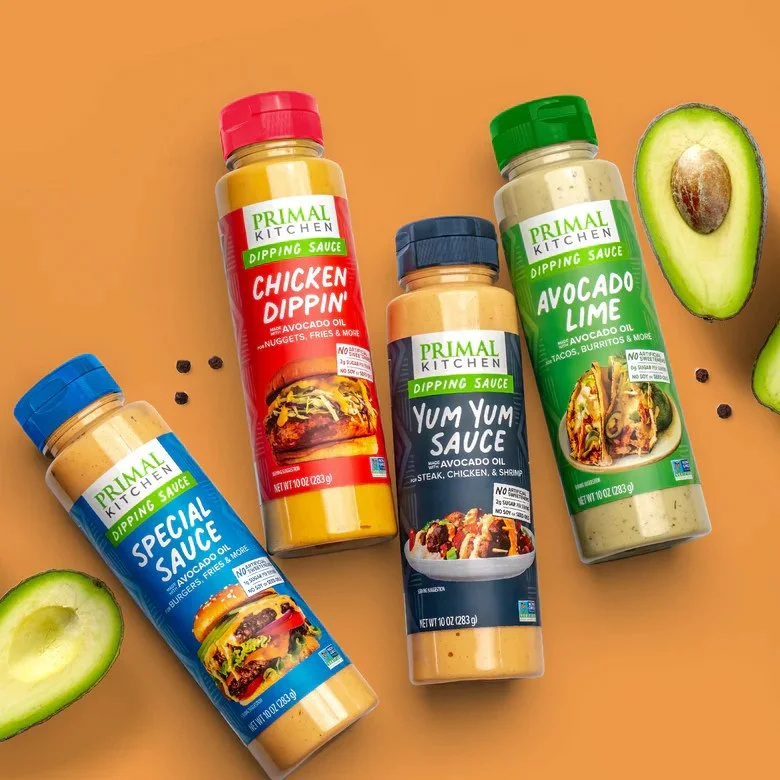
12. Primal Kitchen
One of my most-reached-for brands for condiments, sauces, and dressings. Available at retailers like Kroger, Thrive Market, Costco, Whole Foods, and Sprouts.
Eat mindfully.
Lastly, slow down, chew your food, and eat in a calm state. Stress while eating directly affects digestion and how food feels in the body.
Creating space to be present with your meals — even just a few times a day — can support better digestion, improved satiety, and a more connected relationship with food.