Back To Basics: Recovery

We’ve covered sleep, nutrition, and movement. This week is recovery — the missing piece that helps our body, mind, and nervous system reset, recharge, and restore.
Most of us aren’t truly resting. We’re surviving. Without intentional recovery, our system never fully recharges — and it shows up in our energy, mood, sleep, digestion, and performance.
Recovery is about restoring our entire system — our body, mind, emotions, and nervous system — helping us shift out of fight-or-flight and into rest-and-digest. Chronic stress, overscheduling, emotional exhaustion, and even overtraining can keep us stuck in a low-grade stress response without realizing it.
This is the pillar I’ve had to work on the most. I love doing, and resting can feel unproductive, but I’ve seen how prioritizing recovery helps me show up better in every area of my life. I’m a better mom, wife, and friend when I’m not running on empty.
The good news? Some of the most powerful recovery tools are free — breathwork, mindfulness, nature, sunlight, stretching, and simply slowing down. And once the foundation is there, there are countless ways to support recovery, from sauna and cold therapy to compression, massage, hyperbaric oxygen, and more. Below are some of my favorite tools and practices to help us recharge from the inside out.
ACTIVE RECOVERY
Active recovery is intentional, low-intensity movement that helps your body recover, repair, and adapt. Think walks, stretching, yoga, mobility work, or foam rolling. These activities increase circulation, reduce stiffness, and support the recovery process without adding more stress to the body.
Fitness results come from the combination of stress and recovery — not stress alone. Alternating higher-intensity workouts with recovery days, building in rest, and varying training over time is what allows the body to repair, adapt, and ultimately get stronger.
NERVOUS SYSTEM REGULATION
Our nervous system influences everything — our energy, mood, sleep, digestion, immune function, and how we respond to stress. The problem is that most of us live in a constant state of stimulation. We're overscheduled, overstimulated, always connected, and rarely give ourselves the time and space to truly slow down and recover.
The goal isn't to eliminate stress, but to spend more time in a parasympathetic, rest-and-digest state and less time stuck in fight-or-flight. Thankfully, some of the most effective ways to regulate our nervous system are also the simplest. Here are a few of my favorites:
Breathwork
Our breath is the only autonomic function we can consciously control — making it one of the most powerful nervous system tools we already have. Longer exhales signal safety to the body, helping activate the parasympathetic nervous system and shift us out of stress mode. Even five minutes of diaphragmatic breathing, box breathing, or a guided session — can help change your state.
Mindfulness
The brain has a natural negativity bias — it's designed to scan for threats and keep us safe, not necessarily happy. However, we can train it through practices like meditation, prayer, journaling, gratitude, and positive self-talk to shift our focus toward what's going right instead of what's wrong.
One simple habit I love is starting the day with the thought, "Today is going to be a great day" — even saying it out loud. Prayer is another tool I use throughout the day and as part of my nighttime routine, and I journal whenever I can. These small practices may seem simple, but over time they can create a meaningful shift in how we think, feel, and respond to life's challenges.
Morning Sunlight + Time in Nature
Morning sunlight is one of the most powerful tools for nervous system regulation. It anchors our circadian rhythm, boosts serotonin, and sets the tone for our cortisol curve throughout the day. Getting outside within the first hour of waking — even for 10 minutes — makes a difference. Time in nature has well-documented effects on stress reduction, cortisol levels, and parasympathetic activation.
Stress Management + Setting Boundaries
Chronic stress is one of the most damaging things we can do to our long-term health — and much of it is self-inflicted through overscheduling, overcommitting, and never truly disconnecting. Protecting our time, setting boundaries around our schedule and devices, and building in non-negotiable downtime are all ways we can improve our health and wellbeing.
Digital Boundaries + Screen Detox
Our nervous systems were not designed for the level of digital stimulation we're exposed to today. Constant notifications, endless scrolling, and the always-on nature of our devices keep our brains in a low-grade stress state — even when we think we're relaxed. The blue light, the dopamine loops, the comparison triggers all add up.
A few things that make a difference: no phone for the first 30 minutes after waking, no screens an hour before bed, and no phone at the dinner table are all good places to start.
Honestly, this has been a hard one for me since launching Jess Be Well — I'm on my phone more than ever, and the screen time that comes with running this platform is my least favorite part of the job. I do it because I love sharing and helping you! I have so much more content, tips, and recipes waiting to share, but I only have so much time I'm willing to spend at a computer or on my phone. Regularly taking breaks from social media and screens is a non-negotiable for me in order to make this sustainable.
KIDS RECOVERY
Kids aren't immune to stress. In many ways, they're more affected by it because they don't yet have the tools or language to process what they're feeling. The good is that many of the same nervous system practices that help adults can help kids too.
Teach kids to breathe. Box breathing and belly breathing are simple skills they can learn early — and you can make it a game. My kids often get a second wind at bedtime and can go absolutely nuts! Breathing together helps them slow down, regulate, and shift into a calmer state.
Get outside. Morning sunlight and unstructured time in nature are some of the best nervous system regulators for kids and can make a noticeable difference in their mood and behavior.
Practice reflection. Meditation, journaling, reflection, and prayer are all healthy habits we can help our kids build while they're young. My good friend taught me the game "Peach, Pit, Jam" to play at the dinner table — the highlight of their day, the low point, and what they're most looking forward to tomorrow. It teaches them to reflection and how to think optimistically about what's ahead without even realizing it.
RECOVERY TOOLS
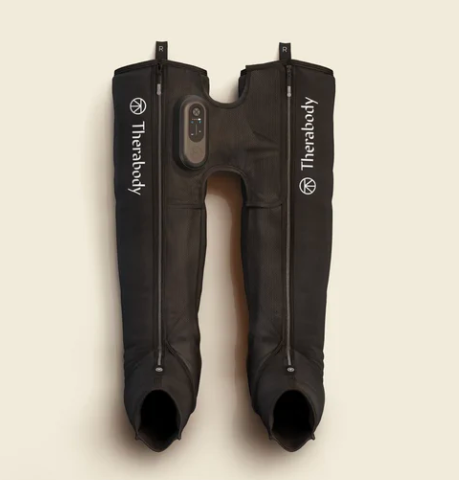
1. Therabody Jetboots Prime
Compression boots are an amazing recovery tool that can help reduce muscle soreness, improve circulation, boost performance, and support faster recovery. The Therabody JetBoots Prime deliver many of the benefits of premium compression therapy at about half the price of the Hyperice Normatec Elite. They're fully wireless, lightweight, and travel-friendly.
I don't own a pair personally, but they're the boots I'd buy—for now, I get my compression sessions in at Wellhaus Club. If you're a serious athlete, Normatec may be worth the upgrade for its advanced customization, but for most people, the JetBoots Prime are an excellent value. They're currently on sale and would make a great Father's Day gift.
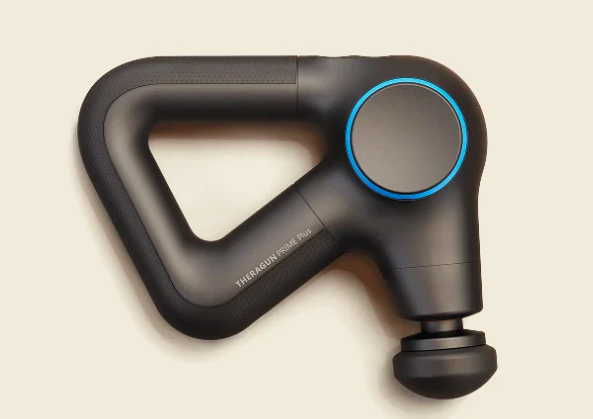
2. Therabody Theragun Prime Plus
I use my Theragun anytime I’m feeling sore, and it’s one of the recovery tools I genuinely think is worth the investment—especially for anyone dealing with past injuries or persistent muscle tension. I have an older model, but the latest 6th-generation Theraguns are supposedly even more advanced with a 16mm amplitude (stroke depth). This would be another excellent Father’s Day gift (if he doesn't already have one) currently on sale.
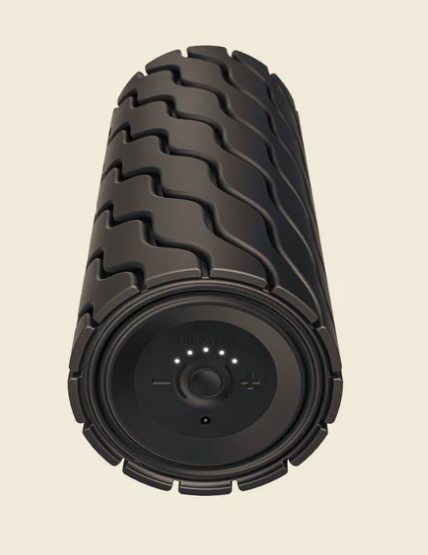
3. Therabody Wave Roller
Foam rolling is one of my favorite recovery tools, and I use it consistently several times a week as part of my wind-down routine. I typically focus on my quads, IT band, and back with my TriggerPoint roller. But, this vibrating one is a step above. It's made of high-density, wave-grooved foam with five customizable vibration settings that work together to reduce muscle soreness, increase localized blood flow, and support faster recovery after training. Grab it while it's on sale!
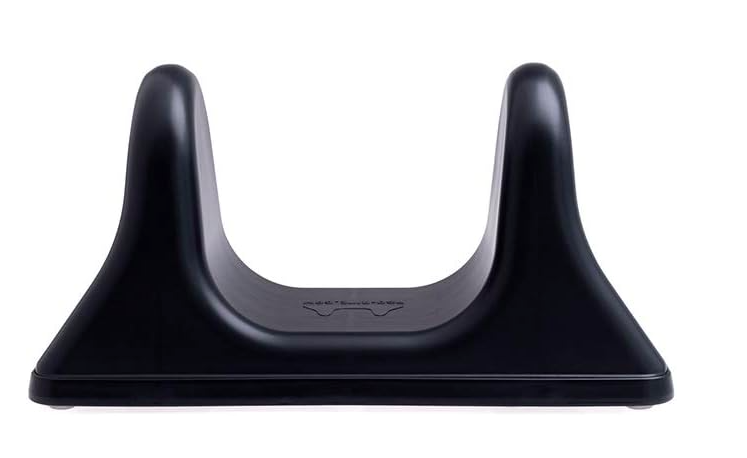
4. PSO-RITE Psoas Muscle Release Tool
The psoas is the deepest muscle in the core, it connects the spine to the legs and plays a major role in movement, posture, and stability. Because most of us spend hours sitting each day, the psoas can become shortened and tight over time, contributing to lower back pain, hip tightness, and poor posture.
This tool is designed to target and release the psoas. Simply position it under the hip flexor area and let gravity do the work. It's intense in the best way and makes a noticeable difference for my lower back.
5. Joovv Go 2.0
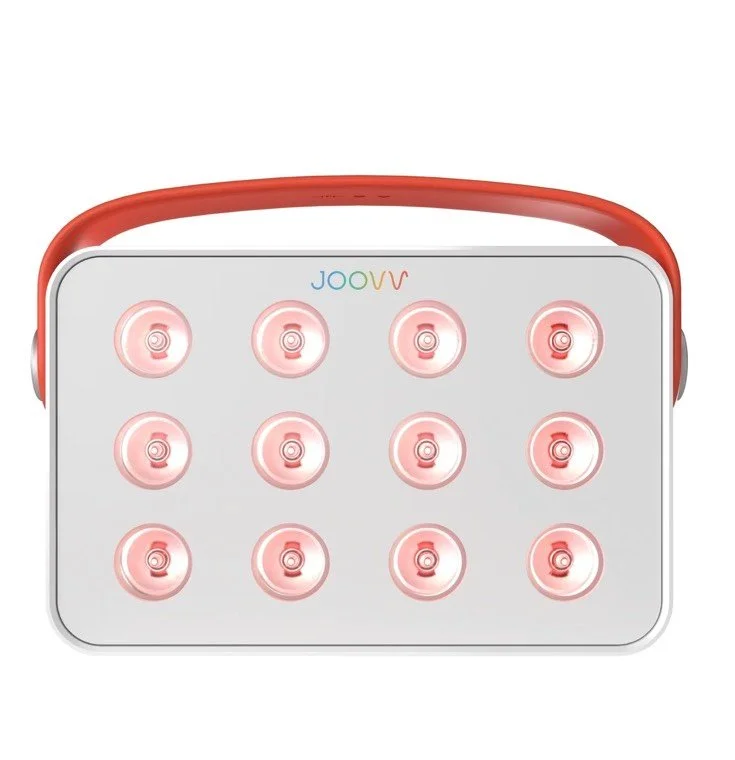
Red and near-infrared light therapy uses specific wavelengths of light to support cellular energy production, recovery, skin health, and overall wellness. I personally love and use the Joovv Solo 3.0 full-body panel at home, but if you're looking for a more accessible entry point—or want something portable for travel—this one is an excellent option. The Go 2.0 delivers many of the same benefits in a compact, handheld format that's easy to use wherever you are, with quick 10-minute sessions.
While red light masks are great for targeted facial treatments, panels deliver a higher-intensity dose over a larger area, making them effective for recovery, circulation, and whole-body wellness. Use code JESSBEWELL for $50 off your first purchase.
6. Higherdose Serotonin Soak Salt
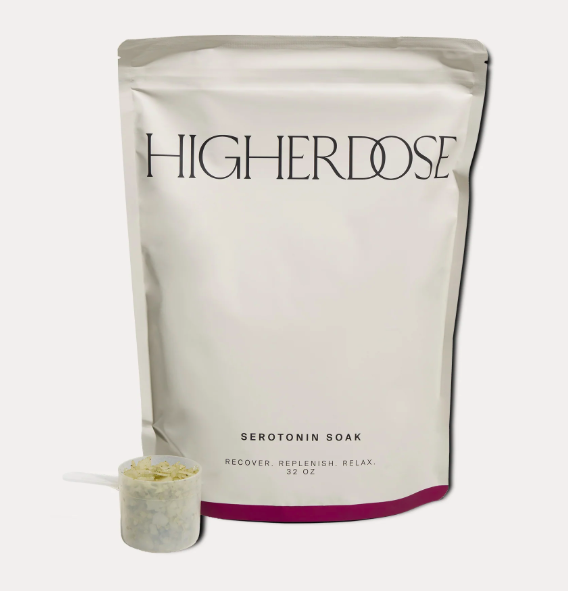
We love a warm bath in our house, and this magnesium and salt soak turns it into a true recovery ritual. Made with pure Zechstein magnesium, apple cider vinegar, and skin-softening algae, it's a simple, effective tool for helping relax tired muscles, support recovery, and calm the nervous system.
My husband actually takes more baths than I do. My friend still dies laughing about the time she stopped by unexpectedly and caught him answering the door midday, fresh out of the bathtub in a robe like it was completely normal.
7. Open App
My go-to for guided breathwork that I've listed in the Well List before. The library covers everything from quick nervous system resets to longer sessions for sleep and stress. If you're new to breathwork, this is an easy place to start.
8. New Oura Ring 5
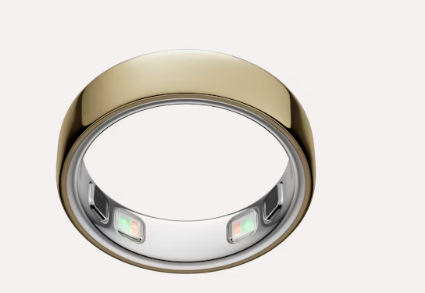
The Oura Ring 5 officially launched on May 28 and it’s more wearable than ever — 40% smaller and lighter than the previous generation, with a re-engineered sensor array thats more accurate. It can track sleep, activity, readiness, daytime stress/resilience, heart health, and women’s health (cycle insights, pregnancy insights, and menopause insights). I have the Oura Ring 4, which I featured in a February edit of The Well List and I love it —although the 5 is definitely giving me upgrade envy.
9. Meditation with Melissa Wood Health
The MWH App goes beyond movement with an extensive library of guided meditations and restorative yoga flows designed to bring your nervous system back into balance. Her approach is slow and intentional — exactly what most of us need more of. Sign up for only $5 on your first month using my code JESSBEWELL5.
10. Clearlight Infrared Saunas
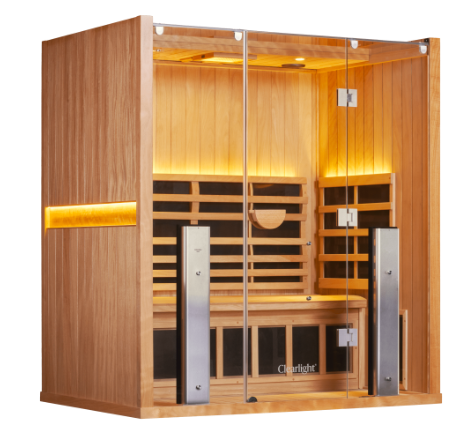
The sauna is one of my favorite recovery tools, alongside the cold plunge. Heat therapy helps increase circulation, support detoxification, and activate heat shock proteins that play a role in cellular repair and recovery. I'm especially a fan of infrared saunas, and Clearlight is the brand I trust most. You can also experience Clearlight saunas at Wellhaus Club.
What sets Clearlight apart is its ultra-low EMF technology, proprietary True Wave™ heating system, eco-certified low-VOC wood, along with it’a comprehensive warranty.
If you're interested in purchasing one, email Sage directly at Sage@HealwithHeat.com, DM @clearlightsaunas100, or call 800-317-5070 — mention my name or 'Jess Be Well' for an exclusive discount. Currently on sale for Father's Day: save $400–$800 if you order by June 22.
11. Contrast Therapy at Wellhaus Club
Cold therapy is the counterpart to heat — and the combination of the two, known as contrast therapy, is one of the most effective recovery protocols. At Wellhaus they call it 'The Fire and Ice' treatment. Cold therapy reduces inflammation, speeds muscle recovery, and has significant benefits for mood and mental resilience through its effect on dopamine and norepinephrine. If you aren't a fan of the cold plunge, try ending your shower with cold water for 3 minutes.
Use code JESSBEWELL79 for an exclusive $79 rate on the Haus Ritual Day Package, which includes oxygen therapy, compression, red light, cold plunge, and sauna — an amazing Father's Day gift.
12. Hyperbaric Oxygen Therapy at Wellhaus Club
Coming this July to Wellhaus Club: the new Airvida hard-shell seated hyperbaric chamber. Hyperbaric oxygen therapy (HBOT) uses a pressurized environment to help your body absorb more oxygen, supporting cellular repair, recovery, energy, cognitive performance, skin health, and healthy aging. It's one of the most powerful tools available to support recovery and overall vitality.
For more, visit my Shop My store.